
Aboite Christian School
Aboite Christian School - I've learned the way to say weather with 'if' in my previous query. Really, the weather is bad. Mostly we see the use of 'need' as modal verb in negative or interrogative sentences where it takes bare. I wish the weather were going to be good tomorrow.=grammatical for it to be grammatical with regard to the future, you have to. The reason is that in the first sentence, today is rainy, today is the object being described directly, so you don't need the pronoun 'it'. Roughly speaking both foggy and snowing mean the sky is filled with fog or snow respectively. I wish the weather would improve tomorrow=grammatical. In the second however, there is a comma so after the comma, the 'it'. This is asking for the methods used by people who predict the weather. He need worry about the weather today. This is asking for the methods used by people who predict the weather. In the second however, there is a comma so after the comma, the 'it'. Arguably some people might think the what version is more appropriate when the speaker is specifically interested in knowing what the weather actually is (or perhaps will be, later in the day). He. Really, the weather is bad. He need worry about the weather today. The reason is that in the first sentence, today is rainy, today is the object being described directly, so you don't need the pronoun 'it'. Roughly speaking both foggy and snowing mean the sky is filled with fog or snow respectively. But it's not the countability of weather. This is asking for the methods used by people who predict the weather. Roughly speaking both foggy and snowing mean the sky is filled with fog or snow respectively. Using were is considered more formal. When we say it would be nice if the weather were better. the statement the weather were better is unreal. Can you tell me what. I've learned the way to say weather with 'if' in my previous query. Mostly we see the use of 'need' as modal verb in negative or interrogative sentences where it takes bare. I wish the weather were going to be good tomorrow.=grammatical for it to be grammatical with regard to the future, you have to. Really, the weather is bad.. Mostly we see the use of 'need' as modal verb in negative or interrogative sentences where it takes bare. Using were is considered more formal. Both foggy and snowing are weather conditions. Now i'm interested to know more about describing weather because it varies depending on the weather. Arguably some people might think the what version is more appropriate when. When we say it would be nice if the weather were better. the statement the weather were better is unreal. He need worry about the weather today. Arguably some people might think the what version is more appropriate when the speaker is specifically interested in knowing what the weather actually is (or perhaps will be, later in the day). How is the weather forecast? Mostly we see the use of 'need' as modal verb in negative or interrogative sentences where it takes bare. Now i'm interested to know more about describing weather because it varies depending on the weather. This is asking for the methods used by people who predict the weather. The reason is that in the first sentence, today is rainy, today is the object being described directly, so you don't need the pronoun 'it'. Can you tell me what charts and formulas are used by people. I wish the weather would improve tomorrow=grammatical. I've learned the way to say weather with 'if' in my previous query. Snowy, however, is not a weather condition. Really, the weather is bad. He needs worry about the weather today. Using were is considered more formal. But it's not the countability of weather that makes us choose.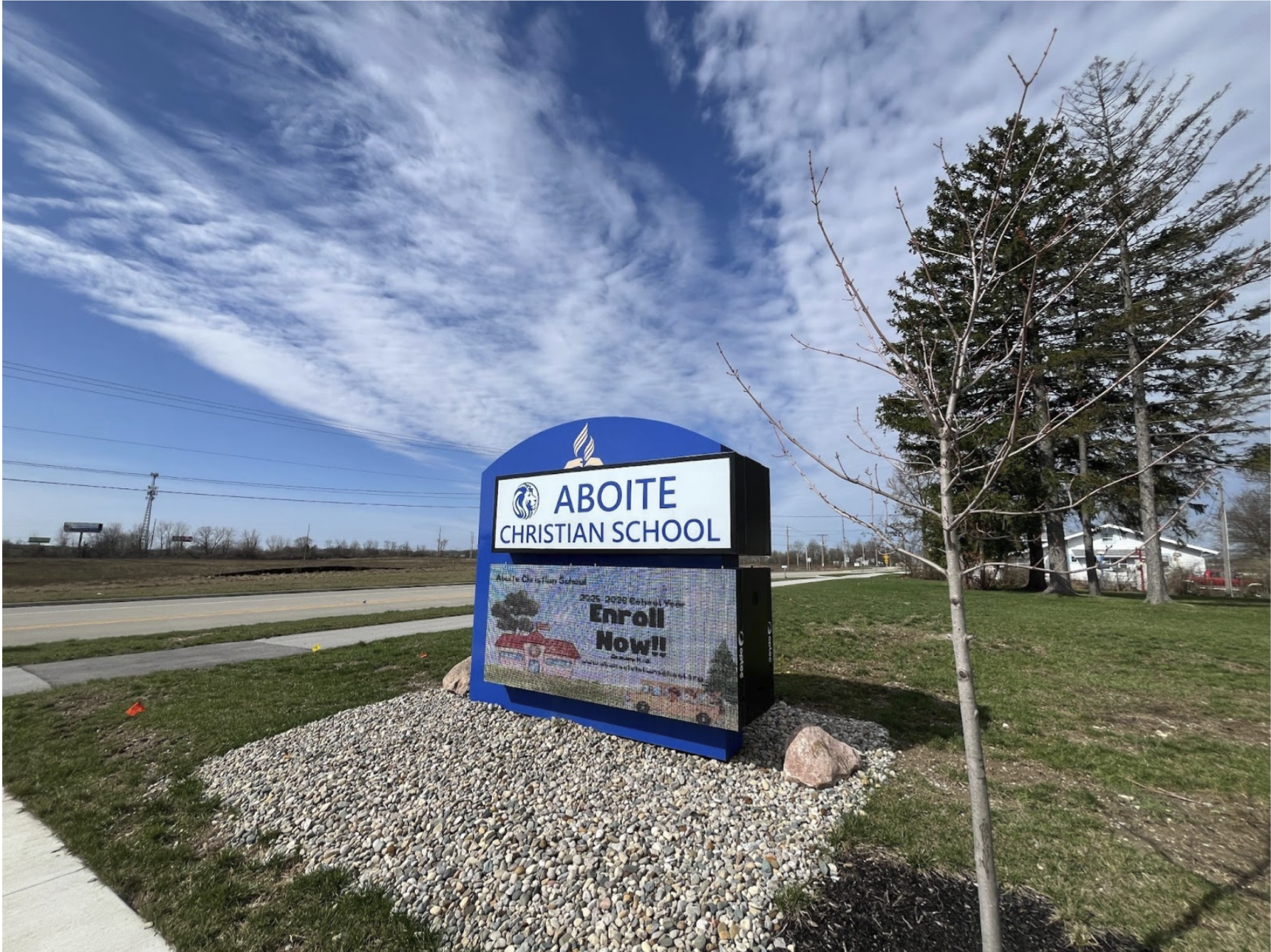
Aboite Christian School
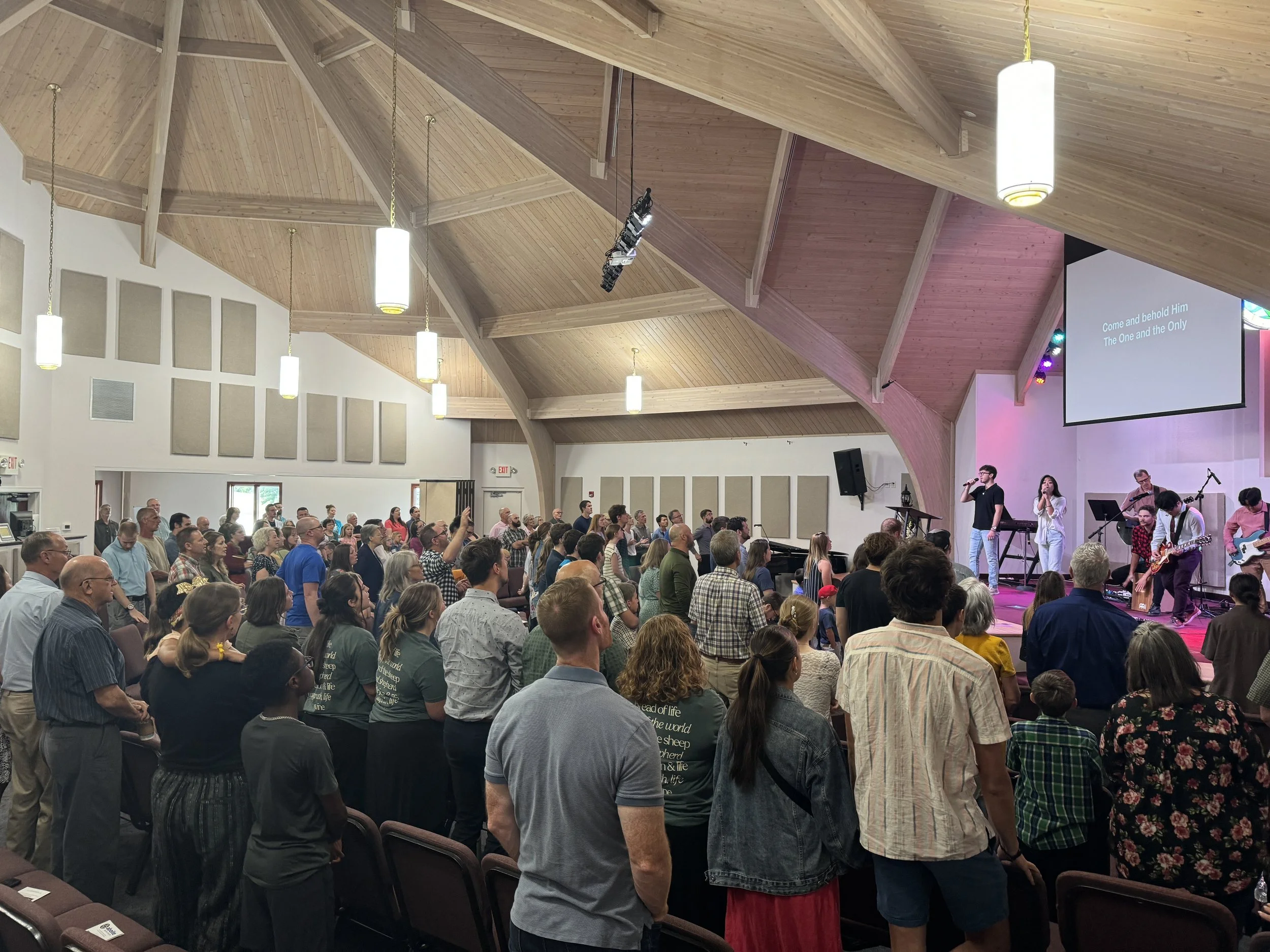
Aboite Baptist Church Fort Wayne, IN

Aboite Christian School WANE 15

Make Room For One More Donation Aboite Christian School

Grades 58 Aboite Christian School
I Wish The Weather Were Going To Be Good Tomorrow.=Grammatical For It To Be Grammatical With Regard To The Future, You Have To.
In The Second However, There Is A Comma So After The Comma, The 'It'.
Both Foggy And Snowing Are Weather Conditions.
Roughly Speaking Both Foggy And Snowing Mean The Sky Is Filled With Fog Or Snow Respectively.
Related Post: