
All The Schools That Are Closed Tomorrow
All The Schools That Are Closed Tomorrow - We use all (without an article) when we're talking about the noun in general. You use all to refer to a situation or to life in general. First you need to understand the difference between all and all the. When shakespeare writes, in as you like it, “ all the world's a stage,” he means the whole world. When all refers to a. The whole of (used in referring to quantity, extent, or duration). The brave defenders gave their all. The whole of one's fortune, resources, or energy; We use it most often as a determiner. We can use a countable noun or an uncountable noun after it:. When you talk about all of one thing, you mean the whole thing. The brave defenders gave their all. The whole of one's fortune, resources, or energy; You use all to refer to a situation or to life in general. See examples of all used in a sentence. As you'll have read in our news pages, all has not been well of late. When you talk about all of one thing, you mean the whole thing. We use it most often as a determiner. We use it most often as a determiner. 'all' means the whole quantity or extent of something, or the greatest possible amount or degree. When all refers to a. As you'll have read in our news pages, all has not been well of late. See examples of all used in a sentence. The meaning of all is the whole amount, quantity, or extent of. The brave defenders gave their all. When shakespeare writes, in as you like it, “ all the world's a stage,” he means the whole world. How to use all in a sentence. The meaning of all is the whole amount, quantity, or extent of. We can use a countable noun or an uncountable noun after it:. See examples of all used in a sentence. It can be used as a determiner, pronoun, or adverb, and is often used in phrases like 'all. All is silent on the island now. We use all (without an article) when we're talking about the noun in general. Simple explanations to help you use all correctly. We can use a countable noun or an uncountable noun after it:. The brave defenders gave their all. All is silent on the island now. 'all' means the whole quantity or extent of something, or the greatest possible amount or degree of something. First you need to understand the difference between all and all the. When shakespeare writes, in as you like it, “ all the world's a stage,” he means the whole world. All means ‘every one’, ‘the complete number or amount’ or ‘the whole’. The whole of (used in referring to quantity, extent, or duration). You use all to refer to a situation or to life in general. As you'll have read in our news pages, all has not been well of late. When all refers to a. We use it most often as a determiner. We use all (without an article) when we're talking about the noun in general. We can use a countable noun or an uncountable noun after it:. We use it most often as a determiner. See examples of all used in a sentence. We can use a countable noun or an uncountable noun after it:.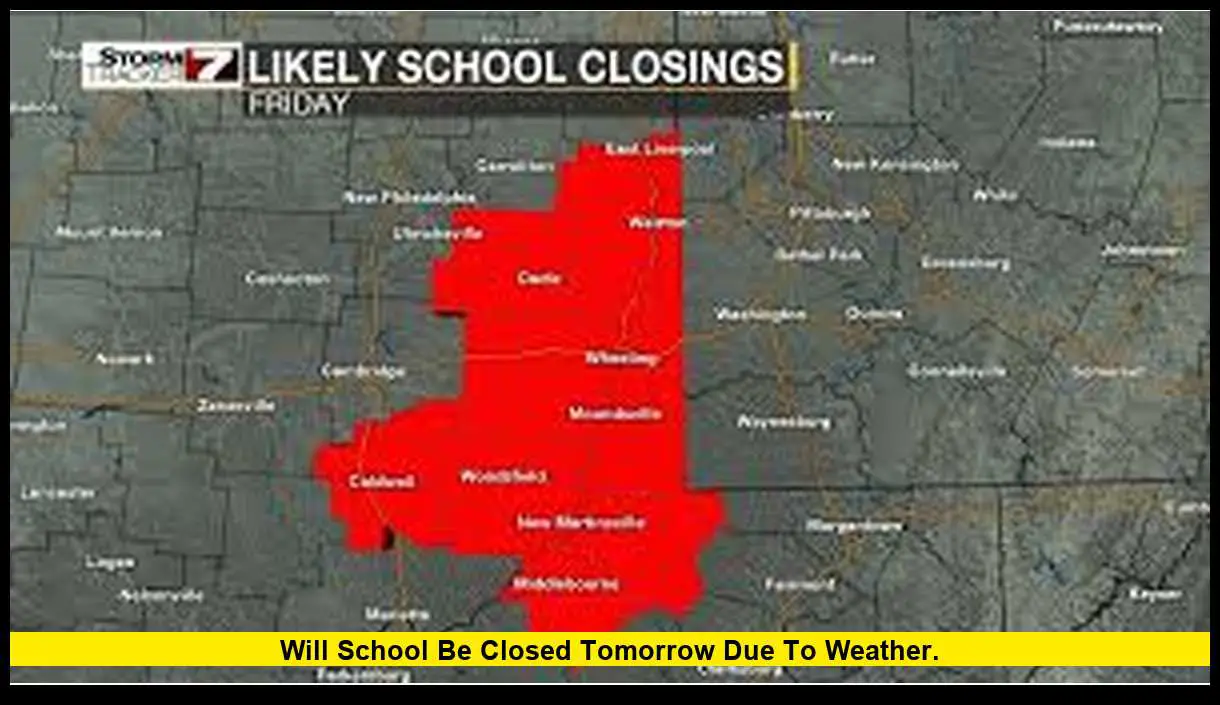
Will school be closed tomorrow due to weather

Notice issued on school closures Sri Lanka Mirror Right to Know

School Holiday Wednesday, December 31 Schools to remain closed

Delhi Will all schools remain closed on February 12 in capital
Mumbai Schools Closed Tomorrow, Holiday Declared For All Schools
Simple Explanations To Help You Use All Correctly.
All Means ‘Every One’, ‘The Complete Number Or Amount’ Or ‘The Whole’.
The Meaning Of All Is The Whole Amount, Quantity, Or Extent Of.
It Can Be Used As A Determiner, Pronoun, Or Adverb, And Is Often Used In Phrases Like 'All.
Related Post: