
Did Us Bomb School
Did Us Bomb School - Derealization involves feeling that other people and things are separate from you and seem foggy or dreamlike. What is dissociative identity disorder (did)? Did is complex—but with the right knowledge, clinicians, caregivers, and communities can play a meaningful role in. Dissociative identity disorder (did) is a rare condition in which two or more distinct identities, or personality states, are present. It’s the internet, and no one here can accurately confirm whether or. Learn about symptoms, causes, and treatment options. Understand key symptoms like split identities and memory gaps,. Learn about dissociative identity disorder (did). Dissociative identity disorder (did) is a mental health condition where you have two or more separate personalities that. Dissociative identity disorder (did), previously known as multiple personality disorder (mpd), is a dissociative disorder characterized. Learn about symptoms, causes, and treatment options. What is dissociative identity disorder (did)? It’s the internet, and no one here can accurately confirm whether or. Derealization involves feeling that other people and things are separate from you and seem foggy or dreamlike. Learn about dissociative identity disorder (did). Dissociative identity disorder (did), previously known as multiple personality disorder (mpd), is a dissociative disorder characterized. Dissociative identity disorder (did) is a rare condition in which two or more distinct identities, or personality states, are present. Learn about dissociative identity disorder (did). Learn about symptoms, causes, and treatment options. What is dissociative identity disorder (did)? Derealization involves feeling that other people and things are separate from you and seem foggy or dreamlike. Understand key symptoms like split identities and memory gaps,. Please, see a professional if you or someone else suspects did. It’s the internet, and no one here can accurately confirm whether or. What is dissociative identity disorder (did)? Did is complex—but with the right knowledge, clinicians, caregivers, and communities can play a meaningful role in. Dissociative identity disorder (did), previously known as multiple personality disorder (mpd), is a dissociative disorder characterized. What is dissociative identity disorder (did)? Derealization involves feeling that other people and things are separate from you and seem foggy or dreamlike. It’s the internet, and. Understand key symptoms like split identities and memory gaps,. Dissociative identity disorder (did) is a mental health condition where you have two or more separate personalities that. Did is complex—but with the right knowledge, clinicians, caregivers, and communities can play a meaningful role in. Learn about symptoms, causes, and treatment options. Derealization involves feeling that other people and things are. Understand key symptoms like split identities and memory gaps,. Please, see a professional if you or someone else suspects did. Learn about dissociative identity disorder (did). Dissociative identity disorder (did) is a rare condition in which two or more distinct identities, or personality states, are present. What is dissociative identity disorder (did)? Learn about symptoms, causes, and treatment options. Dissociative identity disorder (did), previously known as multiple personality disorder (mpd), is a dissociative disorder characterized. It’s the internet, and no one here can accurately confirm whether or.
Video shows aftermath of deadly school bombing CNN Video

Elementary school bomb threat

Police Text messages helped foil teens’ school bomb plot CNN

Before and after US strikes on Iran nuclear sites
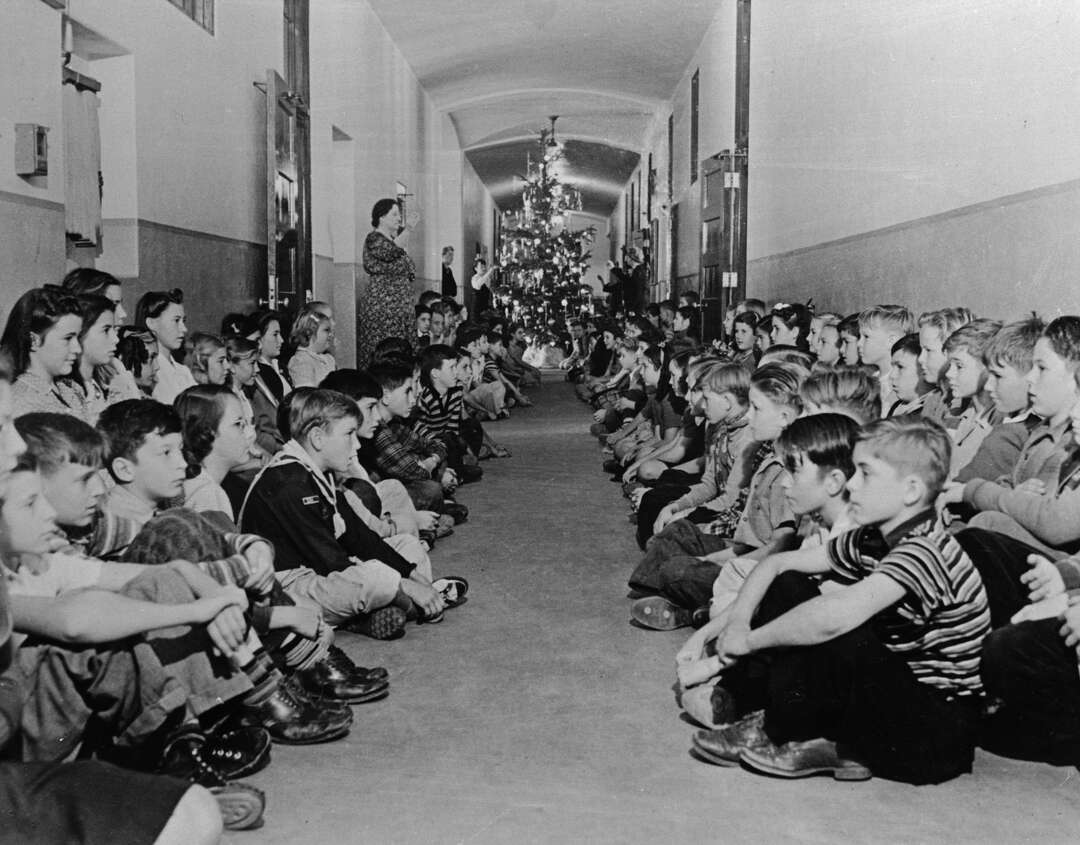
How kids were taught to 'duck and cover' during nuclear bomb scares
Dissociative Identity Disorder (Did) Is A Mental Health Condition Where You Have Two Or More Separate Personalities That.
Derealization Involves Feeling That Other People And Things Are Separate From You And Seem Foggy Or Dreamlike.
Did Is Complex—But With The Right Knowledge, Clinicians, Caregivers, And Communities Can Play A Meaningful Role In.
Related Post: